Raphael Oni
Dr. Jumoke Oduwole , Honourable Minister of Trade and Investment, Federal Ministry of Industry, Trade and Investment urged West African leaders and parliamentarians to harness regional integration as a transformative tool for enhancing competitiveness, expanding market access, and driving economic growth across the region.
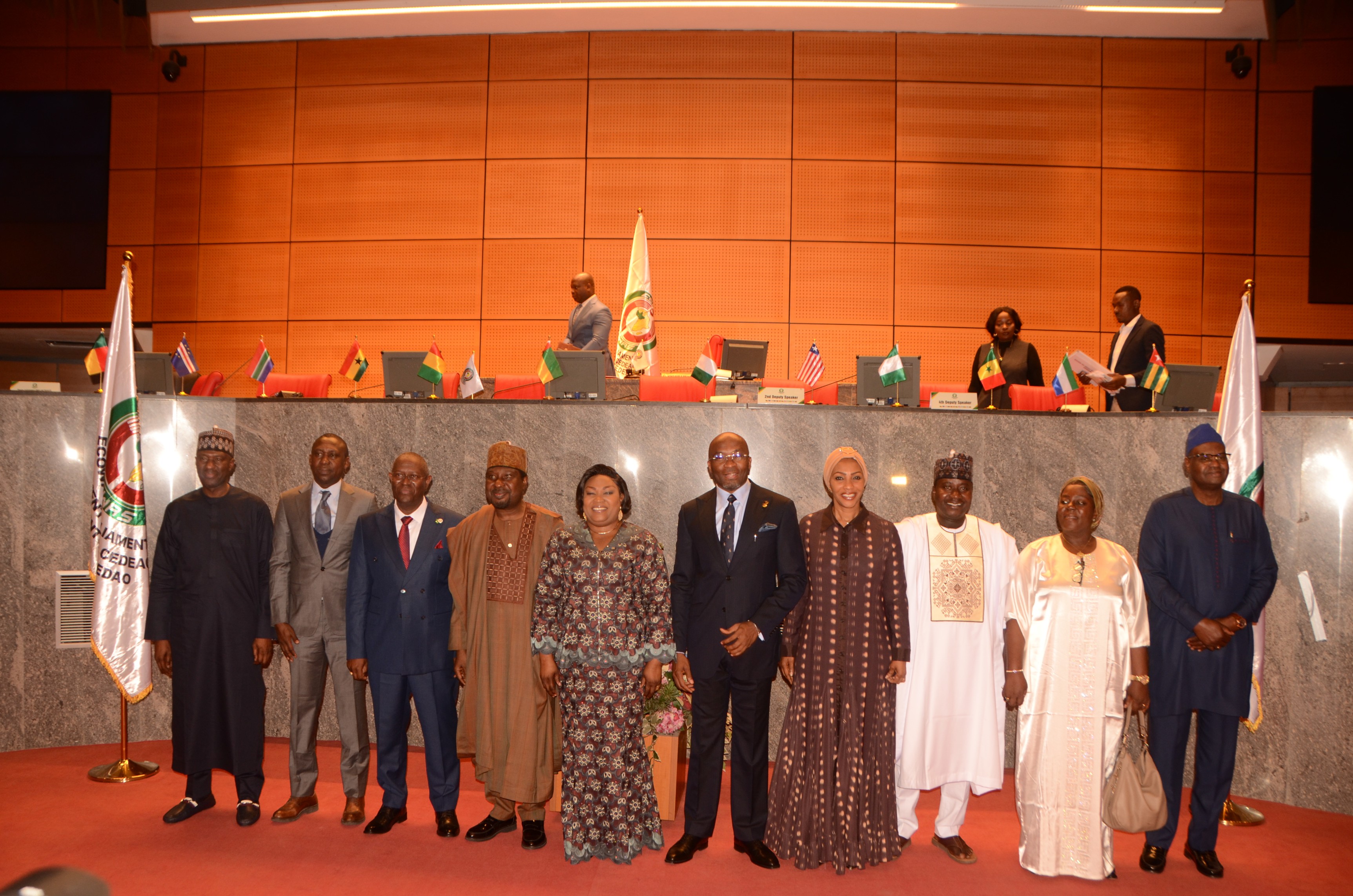
Speaking at the opening ceremony of the Parliament’s Sixth Legislature seminar and First Extraordinary Session for 2026, on Monday in Abuja, Amb Nura Rimi, Permanent Secretary who represented the Minister emphasized that expanding inter-community trade would stimulate economic growth, foster resilience, and create much-needed employment opportunities, particularly for youth and women.
“Regional integration is a pathway to shared prosperity, stability, and collective self-reliance,” Ambassador Nura told attendees, stressing the critical role parliamentarians play in ensuring effective implementation of trade policies and promoting private sector empowerment.
The seminar, titled “Deepening Regional Integration through the African Continental Free Trade Area (AfCFTA): Opportunities and Challenges for Expanding Intra-Community Trade within the ECOWAS Region,” runs from February 23 to 25, 2026, bringing together legislators from across the 15-member Economic Community of West African States.
Ambassador Nura outlined key priority areas requiring urgent attention, including strengthening regional infrastructure, digitizing postal procedures, tackling persistent trade barriers, and promoting standard harmonization across the region.
The Ambassador commended the ECOWAS Parliament for its commitment to advancing regional integration and urged stakeholders to work collaboratively toward building a more competitive and integrated West Africa capable of navigating the complexities of the global economy.
The seminar’s concept note highlights that the ECOWAS region, as one of Africa’s most integrated Regional Economic Communities, is strategically positioned to leverage the AfCFTA — a continental initiative creating a single African market of over 1.4 billion people.
Existing ECOWAS frameworks, including the Trade Liberalization Scheme, Common External Tariff, and protocols on free movement of persons, goods, and services, provide a strong foundation for effective AfCFTA implementation, according to seminar documents.
However, participants acknowledged significant challenges ahead, including harmonizing trade policies, addressing non-tariff barriers, strengthening productive capacities, and ensuring inclusive participation of small and medium enterprises, women, and youth in cross-border trade.


